Comprehensive Product Information Management
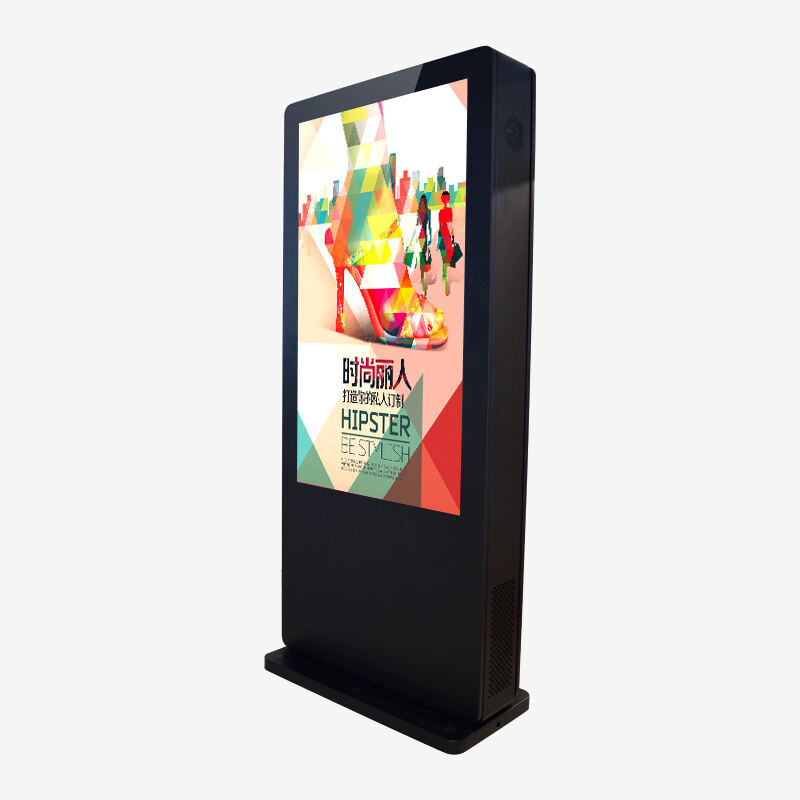
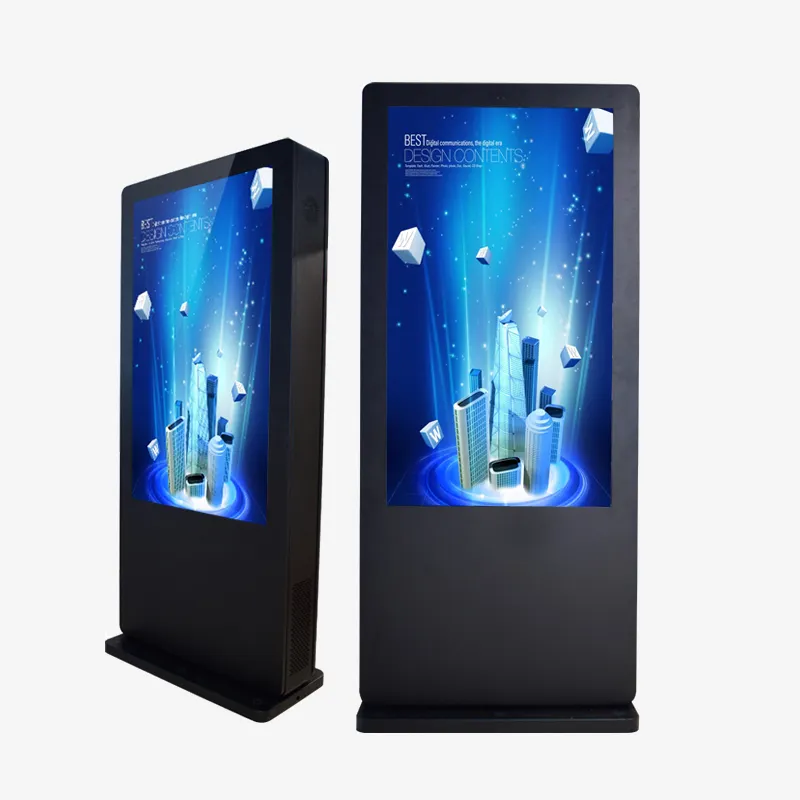
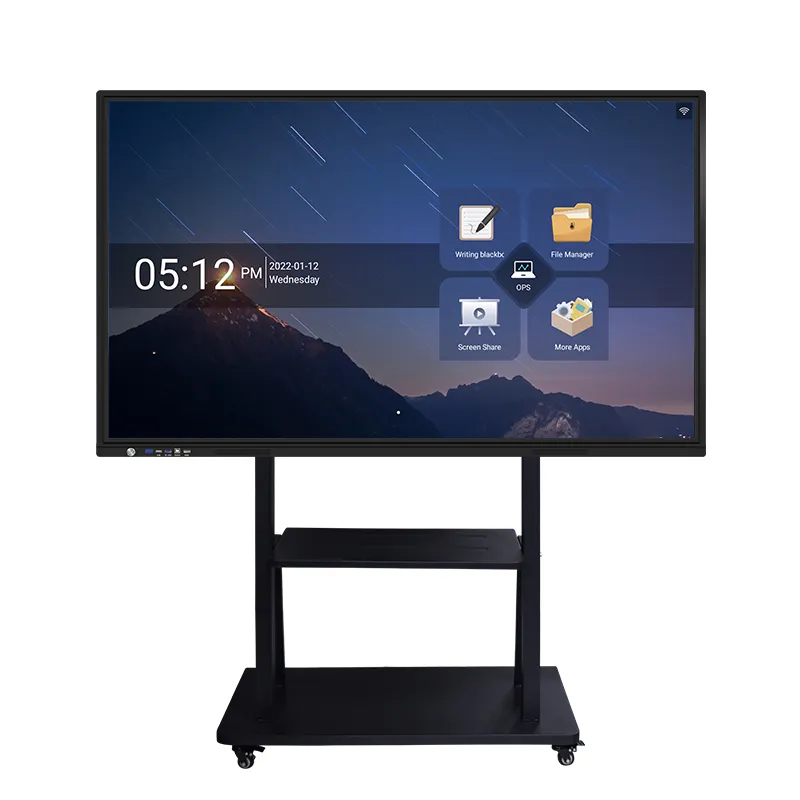
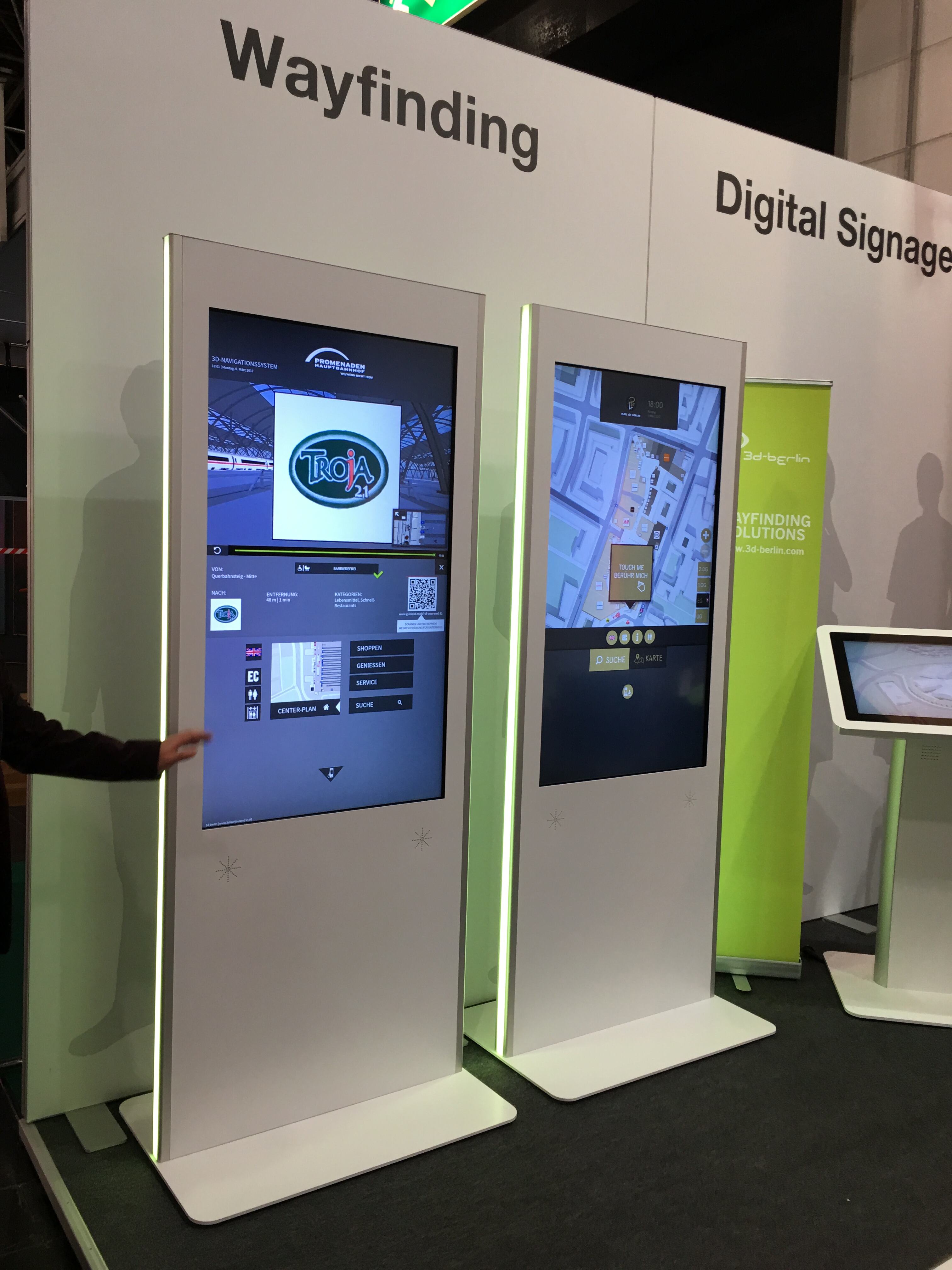
Interactive in store displays excel in delivering comprehensive product information management that empowers customers with detailed knowledge while streamlining retail operations through centralized content control systems. These sophisticated platforms integrate with enterprise resource planning systems, inventory databases, and product information management solutions to ensure accurate, up-to-date content across all display locations simultaneously. The information architecture supports multiple content formats, including high-resolution images, demonstration videos, technical specifications, user manuals, installation guides, warranty information, and customer reviews, all accessible through intuitive navigation interfaces. Interactive in store displays enable dynamic content updates that respond to inventory levels, promotional campaigns, seasonal changes, and regional preferences without requiring manual intervention at individual locations. The systems support detailed product comparison features that allow customers to evaluate multiple options side-by-side, highlighting key differences in specifications, pricing, features, and customer ratings to facilitate informed decision-making. Advanced search functionality enables customers to filter products by specific criteria such as price range, features, dimensions, colors, or performance characteristics, helping them quickly identify suitable options from extensive product catalogs. The platforms provide multilingual content support, automatically detecting customer language preferences or allowing manual selection to serve diverse market demographics effectively. Interactive displays can present complex technical information through simplified visual representations, animations, and interactive diagrams that make sophisticated products accessible to customers with varying technical knowledge levels. The information management system tracks customer inquiries and interests, generating valuable analytics about product performance, customer preferences, and market demand patterns that inform inventory decisions and marketing strategies. Integration with customer relationship management systems enables personalized product recommendations based on purchase history, browsing behavior, and stated preferences, creating tailored shopping experiences that increase satisfaction and loyalty. The comprehensive information delivery reduces customer uncertainty and purchase anxiety while minimizing the need for sales staff intervention, improving operational efficiency and customer satisfaction simultaneously.
 EN
EN