Interactive Retail Store Displays: Revolutionary Digital Solutions for Modern Shopping Experiences

Get a Free Quote

Our representative will contact you soon.
Email
Name
Company Name
Mobile/WhatsApp
Message
0/1000

interactive retail store displays

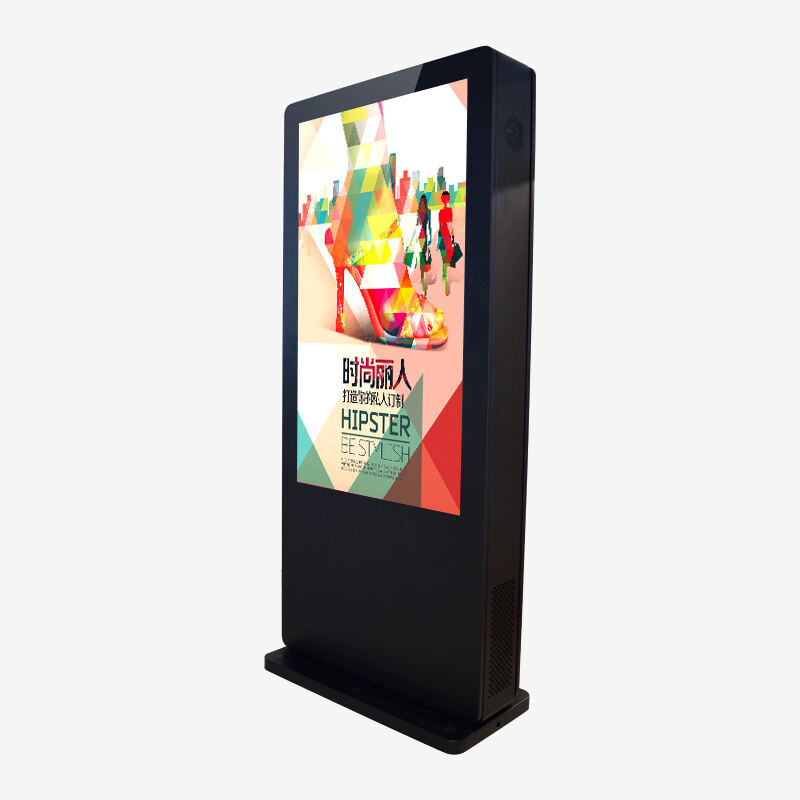
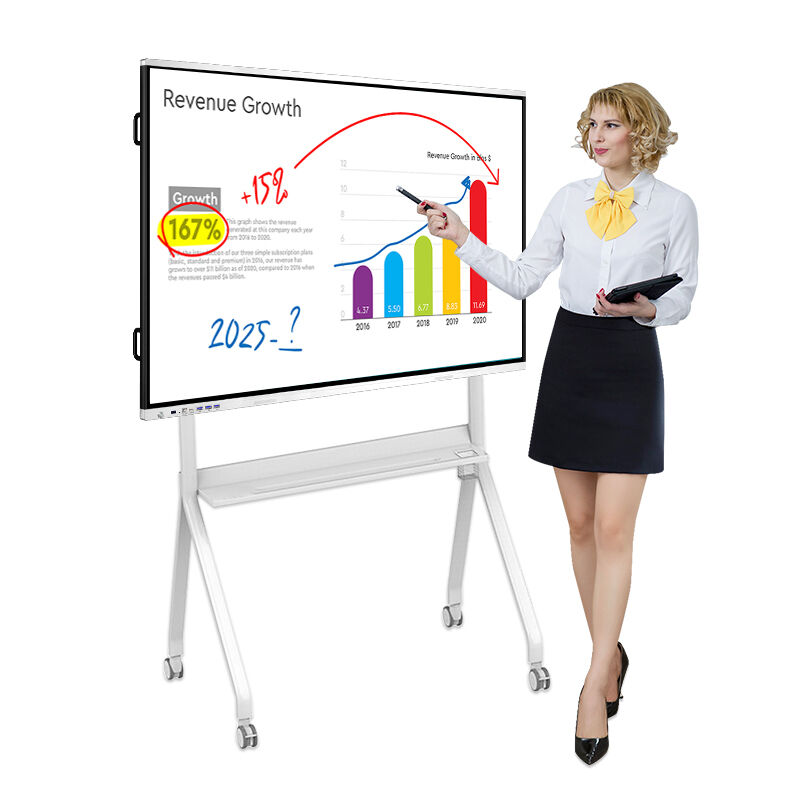
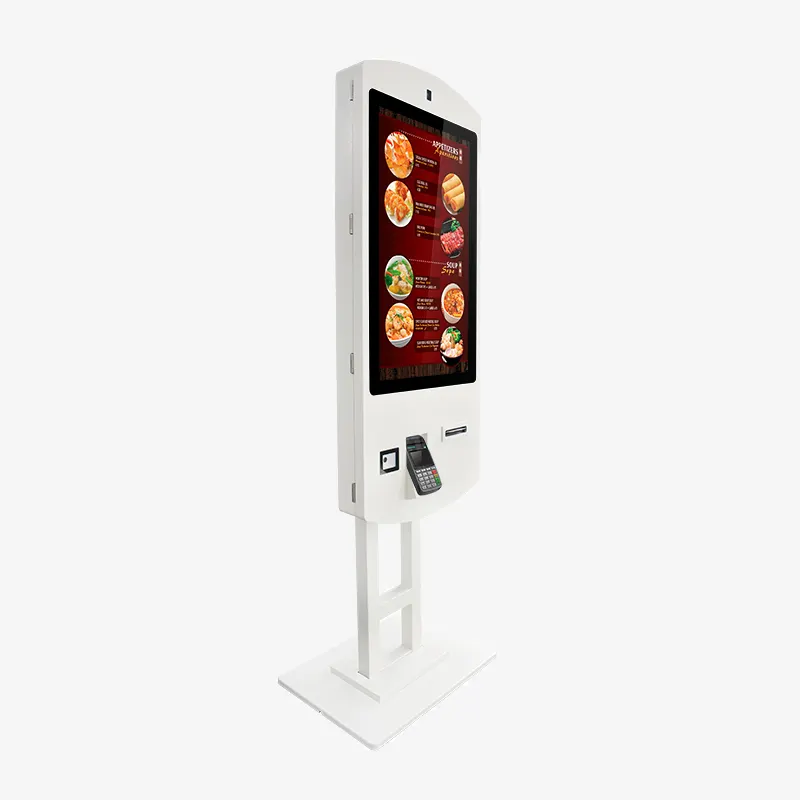
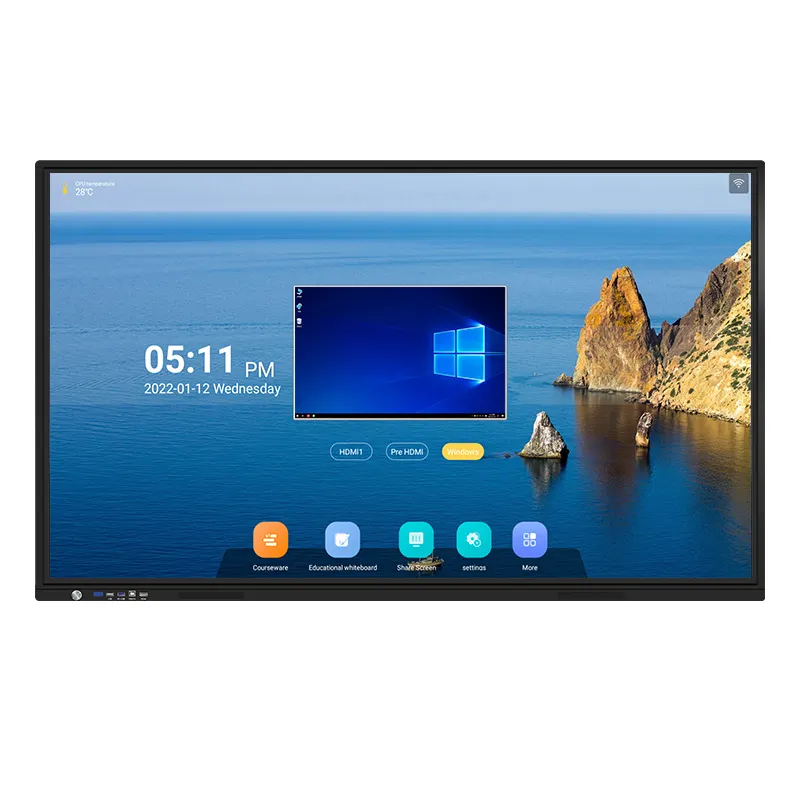
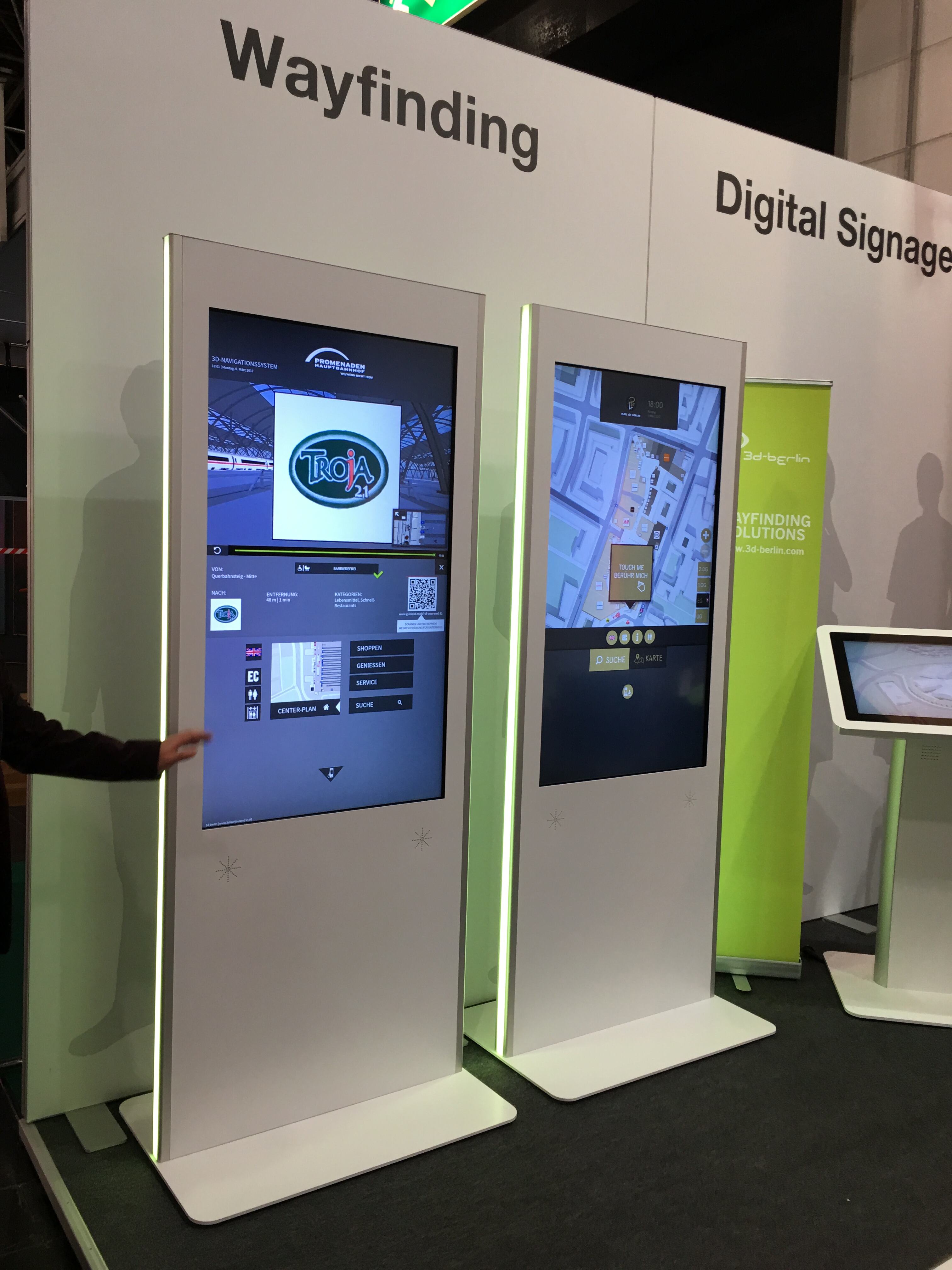
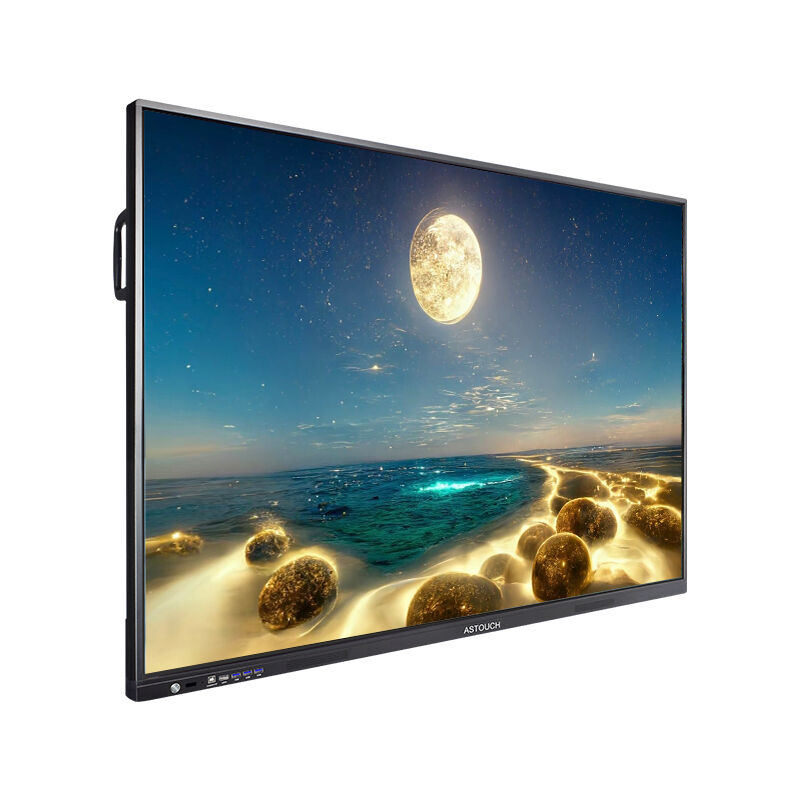
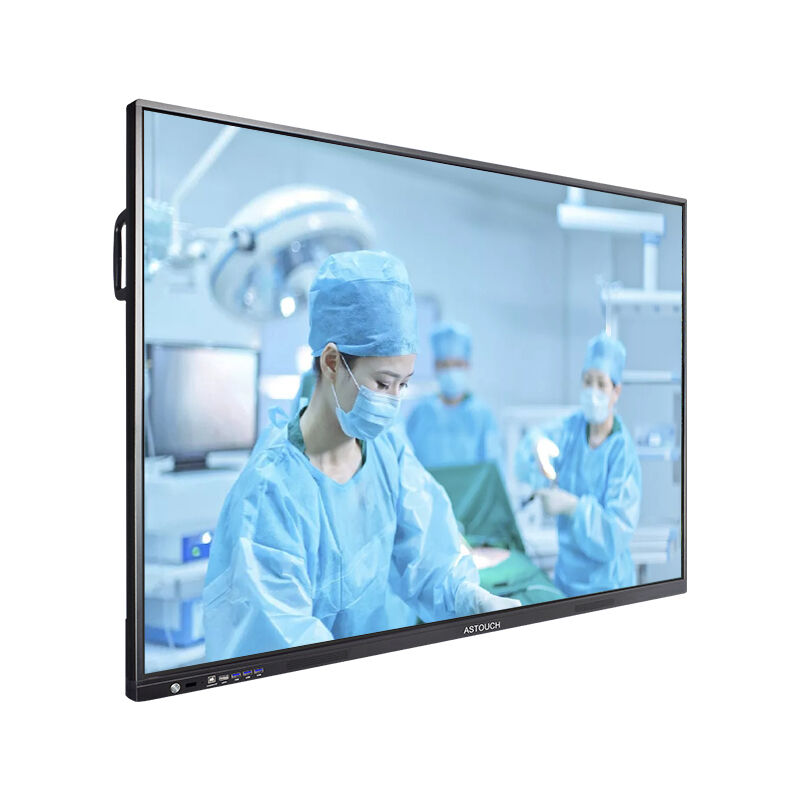
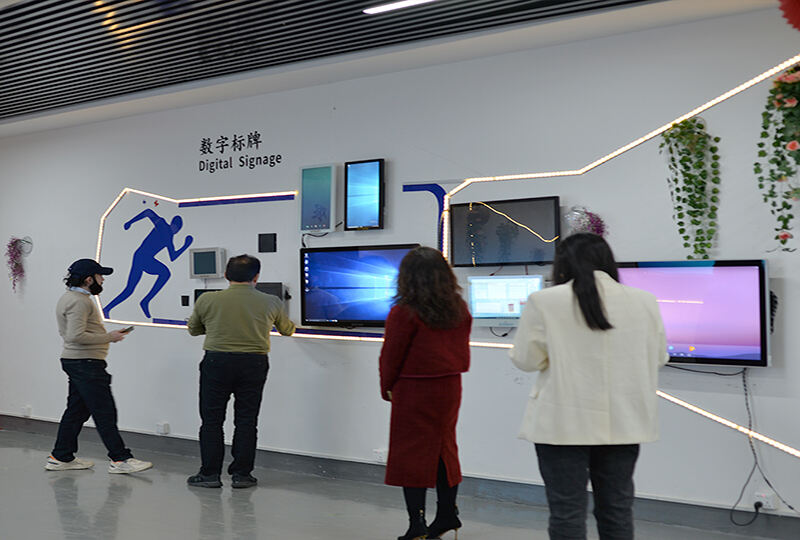
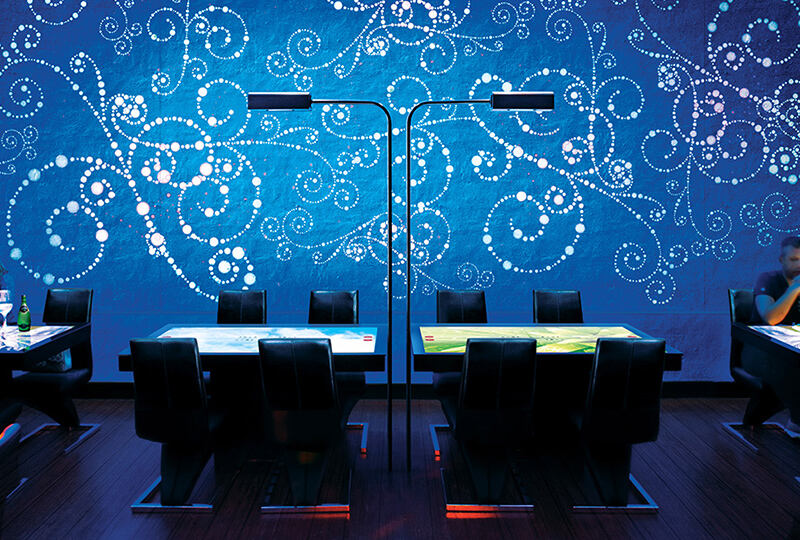
Interactive retail store displays represent a revolutionary advancement in modern retail technology, transforming traditional shopping experiences into dynamic, engaging customer journeys. These sophisticated digital solutions combine cutting-edge hardware with intuitive software to create immersive brand experiences that captivate shoppers and drive sales. Interactive retail store displays utilize touchscreen technology, motion sensors, augmented reality capabilities, and artificial intelligence to respond to customer interactions in real-time. These systems feature high-resolution displays ranging from compact tablet-sized units to large-format digital walls that can showcase product catalogs, promotional content, and personalized recommendations. The technological backbone includes advanced processors, cloud connectivity, content management systems, and analytics platforms that track user engagement patterns. Modern interactive retail store displays incorporate gesture recognition, voice commands, and facial recognition technologies to create seamless user experiences. These displays can integrate with inventory management systems, point-of-sale terminals, and customer relationship management platforms to provide comprehensive retail solutions. Applications span across various industries including fashion, electronics, automotive, cosmetics, and home improvement sectors. Retailers deploy these systems as wayfinding solutions, product configurators, virtual try-on stations, and educational platforms that inform customers about product features and benefits. The displays can showcase 360-degree product views, comparison tools, customer reviews, and social media integration to influence purchasing decisions. Multi-language support and accessibility features ensure inclusive shopping experiences for diverse customer bases. Interactive retail store displays also serve as data collection tools, gathering valuable insights about customer preferences, browsing patterns, and demographic information that retailers can leverage for strategic decision-making and inventory optimization.

New Product Recommendations

Interactive retail store displays deliver substantial benefits that transform retail environments and enhance business performance. These advanced systems increase customer engagement by providing immersive experiences that capture attention and encourage longer store visits. Shoppers can explore products through interactive catalogs, virtual demonstrations, and personalized recommendations, creating memorable brand interactions that traditional static displays cannot match. The technology reduces staffing requirements by automating product information delivery and customer service functions, allowing retail associates to focus on high-value customer interactions and sales activities. Interactive retail store displays provide consistent product presentations that eliminate human error and ensure accurate information delivery across all customer touchpoints. These systems generate valuable customer data and behavioral insights that retailers can analyze to optimize store layouts, product placements, and marketing strategies. Real-time inventory integration prevents customer frustration by displaying accurate stock levels and alternative product suggestions when items are unavailable. The displays offer multilingual capabilities that serve diverse customer populations without requiring additional staff training or resources. Interactive retail store displays enable dynamic content updates that allow retailers to quickly adjust pricing, promotions, and product information across multiple locations simultaneously. These systems reduce printing costs associated with traditional signage and promotional materials while providing environmentally sustainable alternatives. Customers experience enhanced shopping convenience through features like product comparison tools, size guides, and compatibility checkers that facilitate informed purchasing decisions. The technology supports omnichannel strategies by integrating online and offline shopping experiences, allowing customers to access their account information, wish lists, and purchase history during in-store visits. Interactive retail store displays can showcase user-generated content, customer reviews, and social media feeds that build trust and influence buying behavior through peer recommendations. These systems also provide entertainment value during peak shopping periods, reducing perceived wait times and improving overall customer satisfaction. The analytics capabilities help retailers understand peak usage times, popular products, and customer preferences, enabling data-driven decisions that improve store performance and profitability.

Tips And Tricks

How Can a Self Ordering Kiosk Improve Efficiency in Restaurants?

25

Dec

How Can a Self Ordering Kiosk Improve Efficiency in Restaurants?

The restaurant industry faces mounting pressure to deliver faster service, reduce operational costs, and enhance customer satisfaction. A self ordering kiosk represents a transformative solution that addresses these challenges while positioning estab...
View More
Why Choose an Interactive Display for Business Presentations?

05

Dec

Why Choose an Interactive Display for Business Presentations?

Modern business environments demand presentation solutions that engage audiences and facilitate meaningful collaboration. An interactive display represents a revolutionary shift from traditional projection systems, offering touch-enabled capabilities...
View More
What Features Make an Advertising Display More Effective?

22

Jan

What Features Make an Advertising Display More Effective?

Modern businesses face increasing competition for consumer attention, making the choice of an effective advertising display crucial for marketing success. Digital advertising displays have revolutionized how companies communicate with their target au...
View More
Why Choose a Bar Display for Retail Shelving and Advertising?

28

Jan

Why Choose a Bar Display for Retail Shelving and Advertising?

Modern retail environments demand innovative solutions that capture customer attention while maximizing space efficiency. The bar display has emerged as a revolutionary technology that transforms traditional retail shelving into dynamic advertising p...
View More

Get a Free Quote

Our representative will contact you soon.
Email
Name
Company Name
Mobile/WhatsApp
Message
0/1000

interactive retail store displays

Advanced Touch Technology and Intuitive User Interface

Advanced Touch Technology and Intuitive User Interface

Interactive retail store displays feature state-of-the-art capacitive touchscreen technology that delivers responsive, accurate touch recognition comparable to premium smartphones and tablets. These displays utilize multi-touch capabilities supporting up to ten simultaneous touch points, enabling collaborative shopping experiences where multiple customers can interact with the display concurrently. The sophisticated touch sensors provide precise gesture recognition, supporting swipe, pinch, zoom, and rotation movements that feel natural and intuitive to users of all ages. The displays incorporate anti-glare coatings and oleophobic treatments that resist fingerprints and maintain clear visibility under various lighting conditions commonly found in retail environments. High-brightness LED backlighting ensures excellent visibility even in brightly lit stores or outdoor retail locations, while automatic brightness adjustment sensors optimize display clarity throughout the day. The user interface design follows universal accessibility standards, featuring large, clearly labeled buttons, high-contrast color schemes, and intuitive navigation patterns that accommodate users with varying technical abilities and visual capabilities. Interactive retail store displays include voice guidance options and screen reader compatibility for customers with disabilities, ensuring inclusive shopping experiences that comply with accessibility regulations. The responsive design adapts to different screen orientations and sizes, providing consistent user experiences across various display formats from compact countertop units to large wall-mounted installations. Advanced palm rejection technology prevents accidental touches while users interact with the display, ensuring accurate input recognition and smooth navigation. The touchscreen technology incorporates durability features including scratch-resistant glass surfaces, reinforced mounting systems, and protective bezels designed to withstand high-traffic retail environments. These displays support custom gesture programming that allows retailers to create unique interaction patterns specific to their brand identity and customer preferences. The interface can accommodate multiple languages and regional preferences, automatically detecting user location or allowing manual selection to provide localized content and currency displays.
Real-Time Data Analytics and Customer Insights

Real-Time Data Analytics and Customer Insights

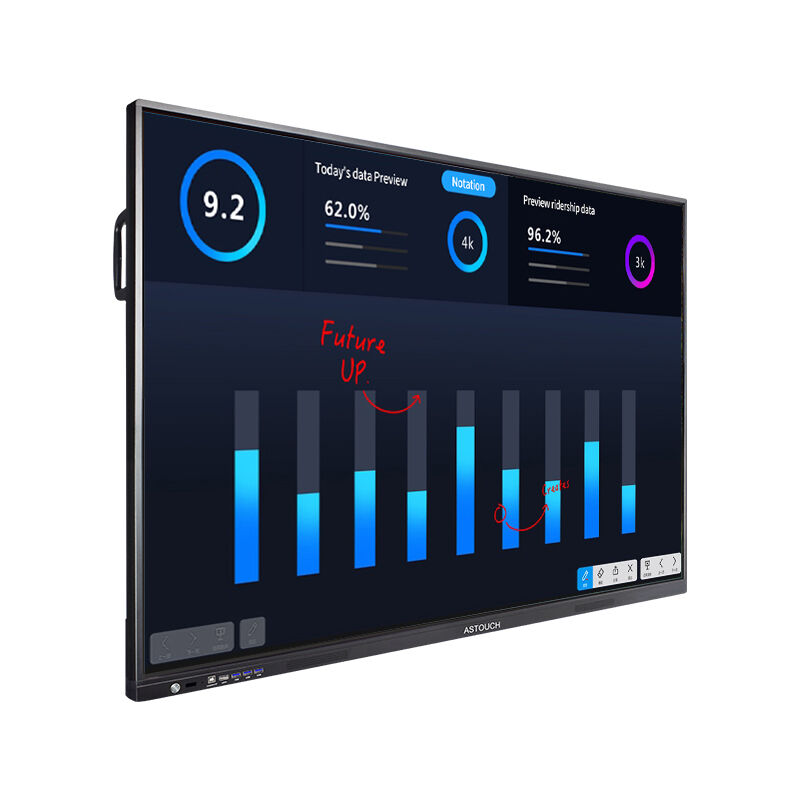
Interactive retail store displays incorporate sophisticated analytics engines that collect and process customer interaction data in real-time, providing retailers with unprecedented insights into shopping behaviors and preferences. These systems track detailed metrics including session duration, content engagement patterns, product views, interaction sequences, and conversion rates that help retailers understand customer interests and optimize their offerings accordingly. The analytics platform identifies peak usage times, popular products, and frequently accessed content categories, enabling retailers to adjust staffing levels, inventory allocation, and promotional strategies based on actual customer behavior data. Interactive retail store displays utilize heat mapping technology that visualizes which areas of the screen receive the most attention, helping retailers optimize content placement and interface design for maximum impact. The systems can segment customer data by demographics, time of day, seasonal patterns, and product categories to provide granular insights that support targeted marketing campaigns and personalized shopping experiences. Advanced machine learning algorithms analyze historical interaction data to predict customer preferences and automatically adjust content recommendations, creating dynamic, personalized experiences that evolve with individual customer behaviors. The analytics dashboard provides real-time reporting capabilities that allow retail managers to monitor display performance, customer engagement levels, and system health from remote locations using web-based interfaces or mobile applications. Interactive retail store displays can integrate with existing customer relationship management systems to correlate in-store interactions with online behaviors, purchase history, and loyalty program data, creating comprehensive customer profiles that inform marketing strategies. The data collection capabilities extend to A/B testing functionality that allows retailers to experiment with different content layouts, promotional messages, and interaction flows to determine the most effective approaches for their specific customer base. Privacy protection features ensure compliance with data protection regulations by anonymizing customer data, providing opt-out options, and maintaining secure data transmission and storage protocols. The analytics system generates automated reports that highlight trends, anomalies, and opportunities, helping retailers make data-driven decisions without requiring extensive technical expertise. These insights enable retailers to identify underperforming products, optimize store layouts, and develop targeted promotions that resonate with their customer demographics.

Seamless Integration and Omnichannel Connectivity

Seamless Integration and Omnichannel Connectivity

Interactive retail store displays excel in their ability to integrate seamlessly with existing retail technology infrastructure, creating unified omnichannel experiences that bridge online and offline shopping environments. These systems connect directly with inventory management platforms, providing customers with real-time stock information, alternative product suggestions, and accurate delivery timelines that prevent disappointment and abandoned purchases. The displays interface with point-of-sale systems to enable direct purchasing capabilities, allowing customers to complete transactions through the interactive interface using integrated payment processing that accepts credit cards, mobile payments, and digital wallets. Interactive retail store displays synchronize with e-commerce platforms to provide consistent product information, pricing, and promotional content across all customer touchpoints, ensuring brand coherence and eliminating discrepancies that can confuse shoppers. The systems support customer account integration, enabling logged-in users to access their purchase history, wish lists, saved items, and loyalty program benefits directly through the in-store display interface. Advanced API connectivity allows these displays to communicate with third-party services including social media platforms, review aggregators, and comparison shopping engines, providing comprehensive product information that influences purchasing decisions. The integration capabilities extend to warehouse management systems, enabling features like ship-to-store ordering, in-store pickup scheduling, and cross-location inventory checking that optimize customer convenience and retailer efficiency. Interactive retail store displays can connect with customer service platforms to provide instant access to live chat support, video consultations with product experts, and virtual assistance features that enhance the shopping experience when staff members are unavailable. The systems support multi-location management through centralized content distribution networks that allow retailers to update information, pricing, and promotions across entire store networks simultaneously while maintaining local customization capabilities. Cloud-based architecture ensures reliable connectivity and automatic software updates that keep systems current with the latest features and security patches without requiring on-site technical interventions. These displays integrate with marketing automation platforms to deliver personalized content based on customer segments, purchase history, and behavioral patterns, creating targeted experiences that increase engagement and conversion rates. The omnichannel connectivity enables features like scan-to-mobile functionality, where customers can transfer product information, comparisons, and recommendations from the in-store display to their personal devices for continued research and future purchase consideration.

Get a Free Quote

Our representative will contact you soon.
Email
Name
Company Name
Mobile/WhatsApp
Message
0/1000