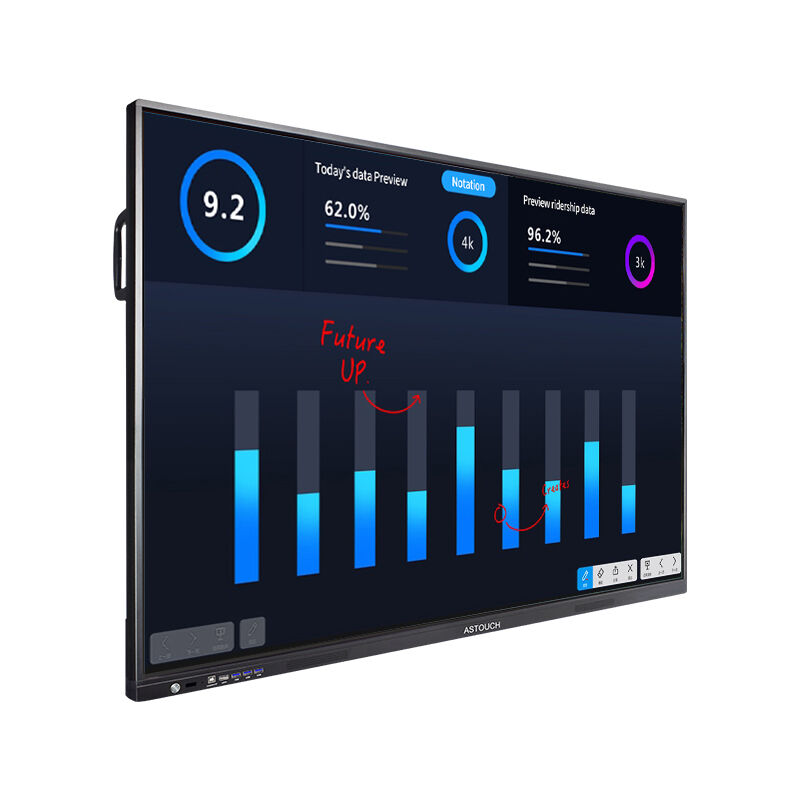
Comprehensive Remote Management and Content Control Systems
The outdoor interactive display features sophisticated remote management capabilities that streamline operations and maximize efficiency across single or multiple installation deployments. Cloud-based content management systems provide centralized control over all connected displays, allowing administrators to update content, monitor performance, and configure settings from any internet-connected device worldwide. Real-time monitoring dashboards present comprehensive system status information including temperature readings, power consumption, network connectivity, storage utilization, and hardware health indicators, enabling proactive maintenance strategies that prevent costly downtime. Scheduled content deployment features allow operators to pre-program content changes, promotional campaigns, and seasonal updates, ensuring timely message delivery without manual intervention. The outdoor interactive display supports multiple content zones and layers, enabling simultaneous display of different information types such as advertisements, news feeds, weather updates, and interactive applications within a single screen layout. Bandwidth optimization technologies compress and cache content efficiently, reducing network load while maintaining high-quality visual presentation even over limited connectivity connections. Security protocols including encrypted communications, user authentication, and access control systems protect against unauthorized access and content tampering while ensuring compliance with data protection regulations. Emergency override capabilities enable immediate content replacement for crisis communications, safety announcements, or urgent public information dissemination. Automated backup and recovery systems protect content libraries and configuration settings, with failover mechanisms that maintain display operation even during network disruptions. Usage analytics and engagement tracking provide detailed insights into user interaction patterns, content effectiveness, and peak usage times, enabling data-driven decisions for content optimization and strategic planning. Integration APIs facilitate seamless connections with existing business systems including customer databases, inventory management, social media feeds, and enterprise resource planning platforms, creating unified communication ecosystems that enhance operational efficiency.
 EN
EN