large interactive display
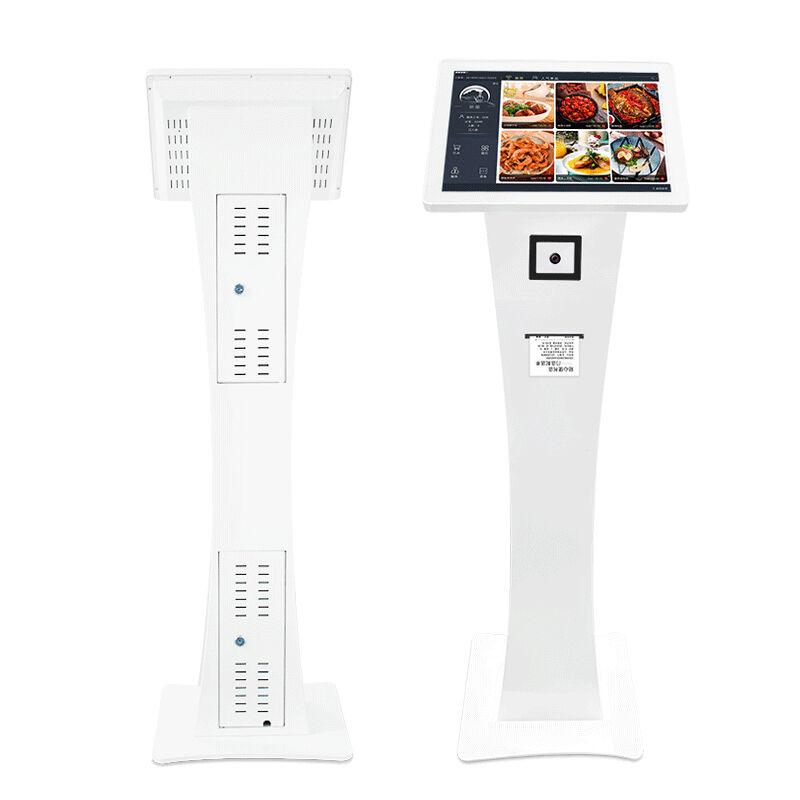
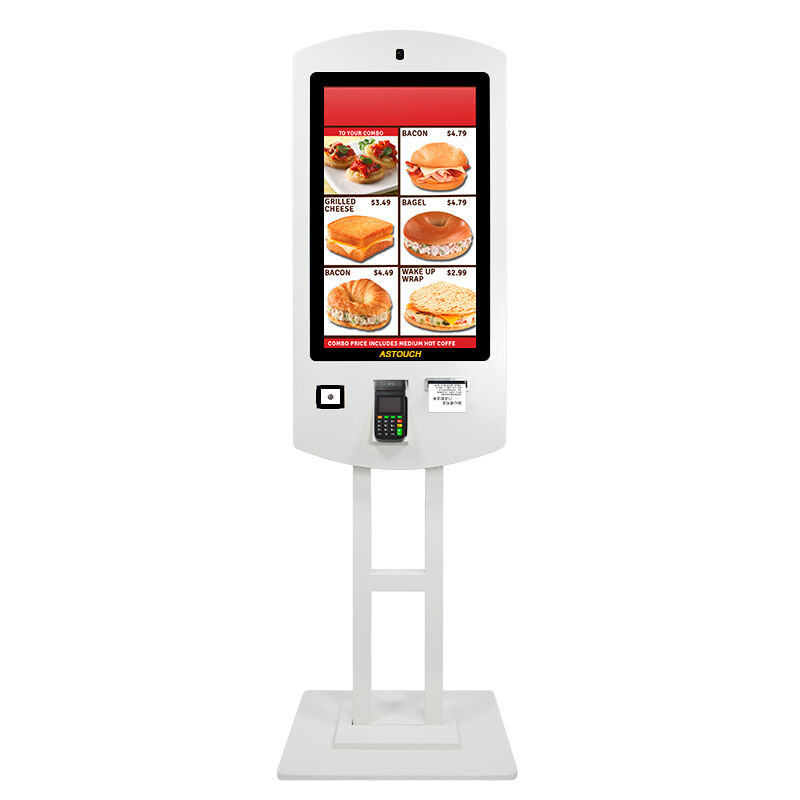
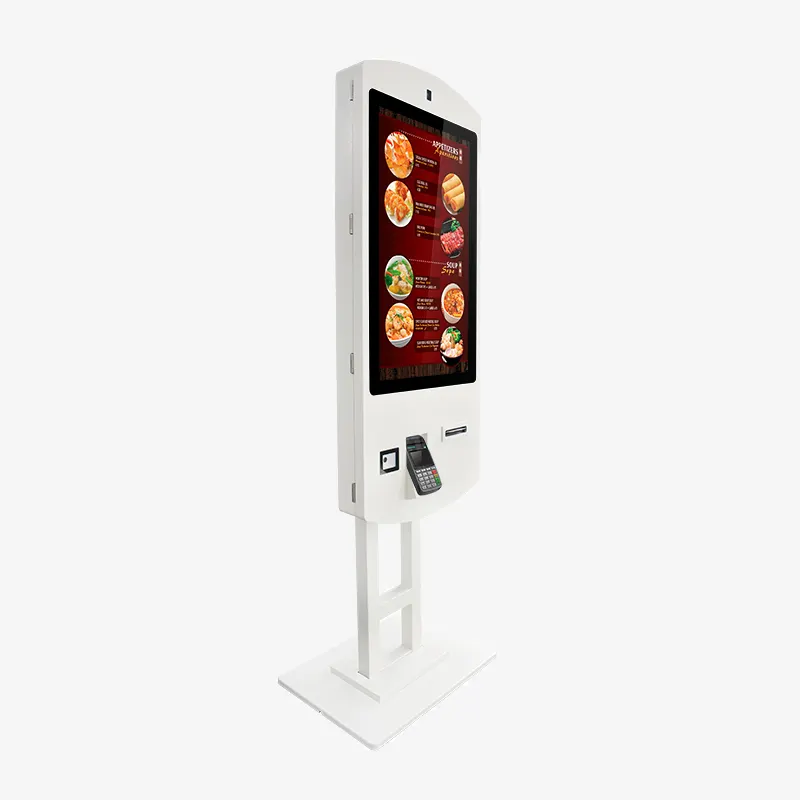
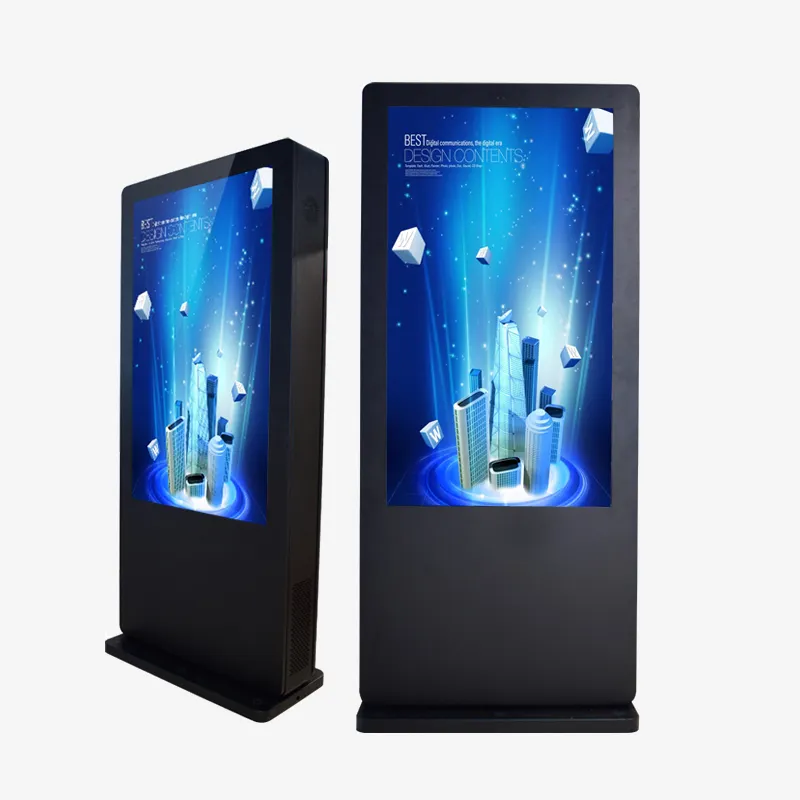
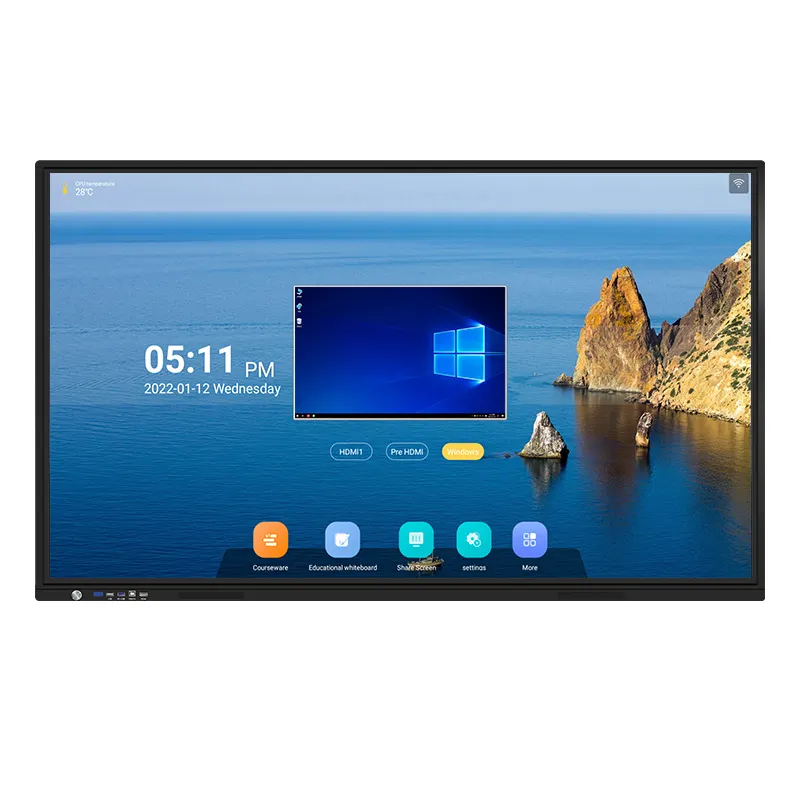
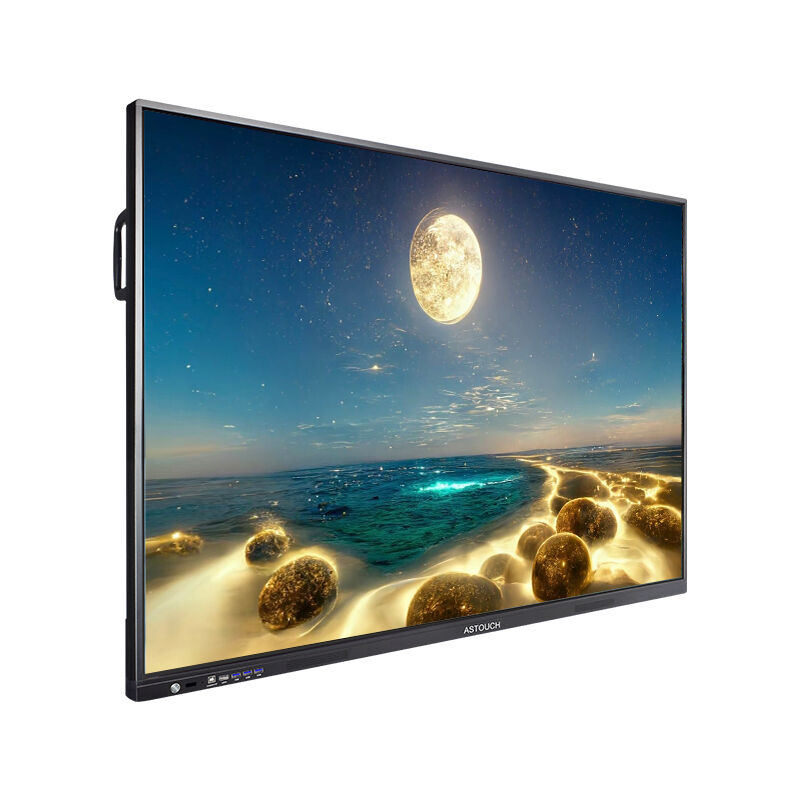
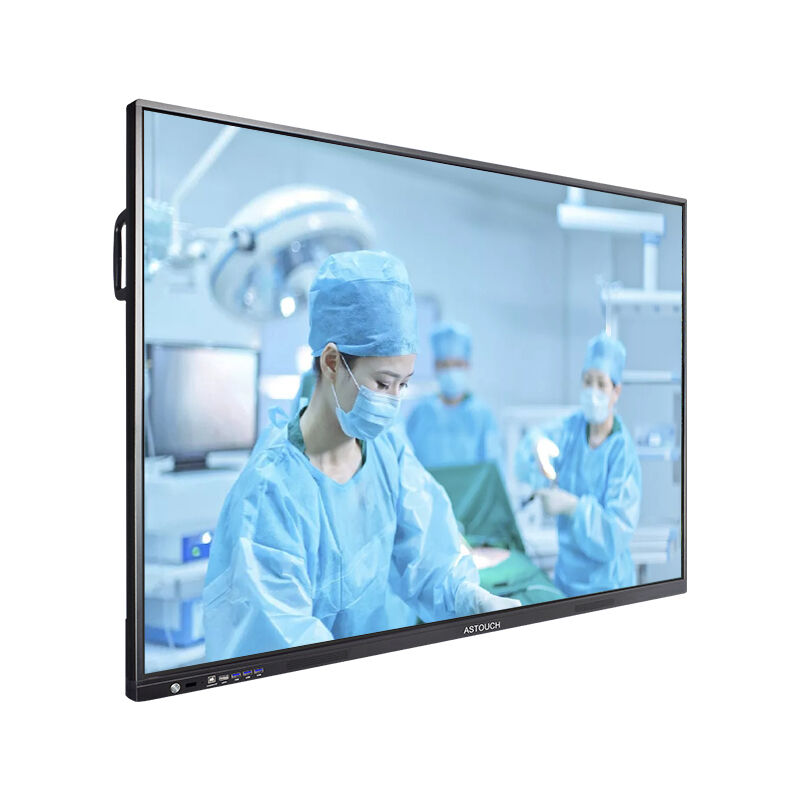
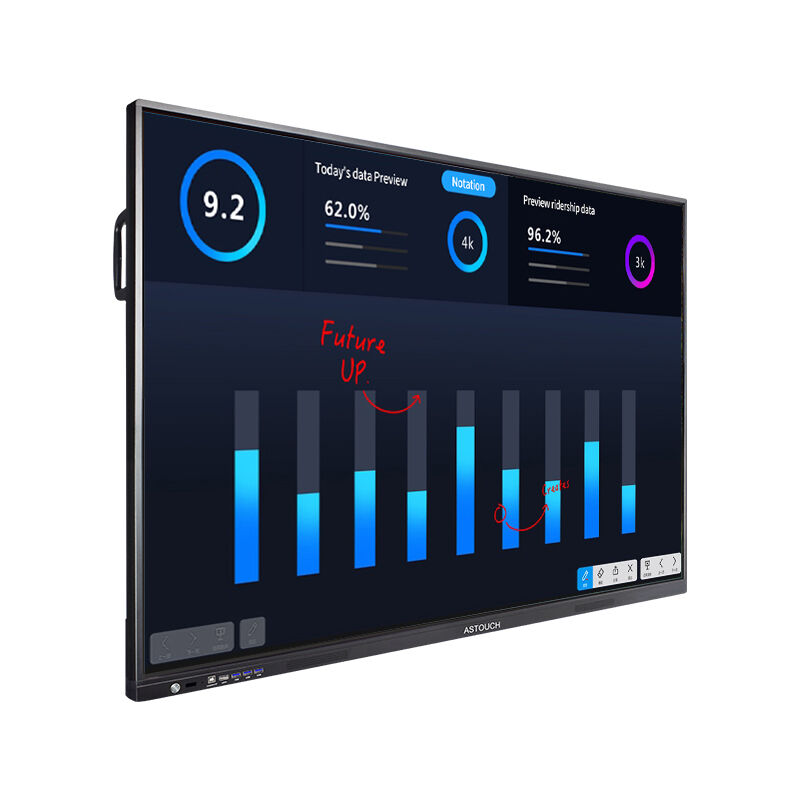
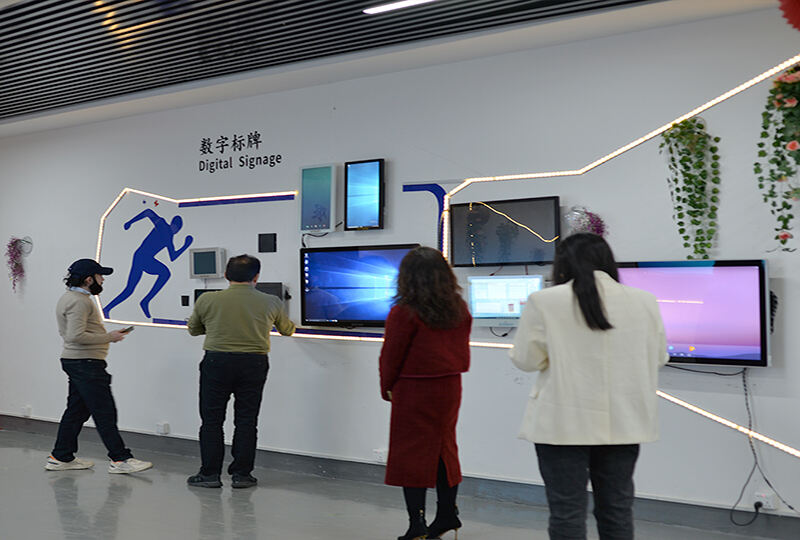
A large interactive display represents a revolutionary advancement in digital communication technology, transforming how organizations present information and engage with their audiences. These sophisticated systems combine high-resolution visual capabilities with responsive touch technology, creating immersive experiences that captivate viewers and facilitate meaningful interactions. The large interactive display serves as a powerful tool for businesses, educational institutions, and public spaces seeking to modernize their communication strategies. At its core, this technology integrates multiple advanced components including capacitive touch sensors, high-definition LED or LCD panels, and intelligent processing units that work seamlessly together. The display responds instantly to user input through multi-point touch recognition, allowing multiple users to interact simultaneously without lag or interference. Modern large interactive displays feature crystal-clear 4K or 8K resolution, ensuring that every detail appears sharp and vibrant even when viewed from considerable distances. The technological architecture incorporates robust wireless connectivity options, enabling seamless integration with existing network infrastructure and cloud-based applications. These displays support various input methods including finger touch, stylus interaction, and gesture recognition, providing flexibility for different user preferences and applications. The applications for large interactive displays span numerous industries and environments. In corporate settings, they transform boardrooms into dynamic collaboration spaces where teams can brainstorm, present, and make decisions more effectively. Educational institutions utilize these displays to create engaging learning environments that encourage student participation and enhance comprehension through interactive lessons. Retail environments benefit from large interactive displays by providing customers with product information, wayfinding assistance, and immersive shopping experiences. Healthcare facilities use these systems for patient education, staff training, and medical consultations. Museums and exhibition centers leverage the technology to create memorable visitor experiences through interactive exhibits and informational presentations.
 EN
EN